The Good Grocer

BRAND IDENTITY

The Good Grocer is a neighborhood refill store designed to make sustainable shopping feel normal, satisfying, and part of everyday life. Rather than positioning zero-waste as a performance or lifestyle statement, the identity focuses on routine.

The visual system draws inspiration from the sensory rituals of weekly grocery habits, using produce-led color references and tactile typography to create a feeling of mindful repetition and lived-in familiarity. The result is a brand that builds connection through small interactions, helping people feel confident that responsible choices can be simple, local, and genuinely rewarding.

Developed as part of House of Gai’s AI Branding Masterclass, this project explores how AI tools such as Weavy, Midjourney, and ChatGPT can enhance creative iteration and strategic refinement within a designer-led process.

The Foundations

THE GOOD GROCER

  • We’re launching a small independent refill and grocery store and we’re looking to build a brand identity that reflects our values. The store will focus on sustainability, zero waste, and community care—offering locally sourced produce, household refills, pantry goods, and reusable alternatives. It’s inspired by a need for something more thoughtful than your average supermarket experience. We don’t have a final name yet, and our visual direction is still wide open. Here’s what we’re clear on:

    • Our customers care about their impact but don’t want to feel guilty or overwhelmed.

    • We’re aiming for a brand that feels calm, trustworthy, and grounded, not preachy or overly trendy.

    • We’ll need a system that works across packaging, in-store signage, social media, and maybe even a loyalty program.

    • We want to make this brand feel like a gentle invitation into a better way of living—rooted in local values and practical optimism.

  • Vision‍: A future where thoughtful shopping is the default neighborhood behavior.

    Purpose‍: To make sustainable grocery shopping feel normal, easy, and habitual — not performative. Sustainability as infrastructure, not identity.

    Mission: Remove friction from sustainable choices through familiarity, consistency, and care. Focus on systems rather than messaging.

  • Primary Audience Traits

    • Sustainability-aware but fatigued by moralizing.

    • Values practicality, routine, and trust over novelty.

    • Already juggling time, cost, and cognitive load.

    Key Insights

    • The barrier is not values — it’s friction and self-consciousness.

    • People want to do the “right thing” without having to think about it.

    Behavioral Truth

    • Repetition builds loyalty more than inspiration.

    • Feeling recognized matters more than being educated.

  • Category Patterns:

    • Heavy reliance on overt eco-signaling.

    • Educational or moral framing (“why this matters”).

    • Either premium/precious or aggressively activist.

    Opportunity:

    • A grocery brand that is distinctly familiar — designed to feel trusted from day one.

    • Sustainability communicated through behavior and design, not claims.

    Behavioral Truth:

    • Repetition builds loyalty more than inspiration.

    • Feeling recognized matters more than being educated.

Strategic Outcomes

THE GOOD GROCER

  • A neighborhood grocery that makes sustainable shopping feel normal, familiar, and easy.

  • Become the customer’s default grocery stop, not a special trip.

  • Not a lifestyle brand.

    Not an eco-educator.

    Not a minimalist design object.

  • Core Traits:

    • Warm, grounded, attentive, plainspoken, lived-in.

    • Feels like a regular talking to a regular.

    Key Rules:

    • No slogans, no hype, no eco-claims.

    • No moralizing or over-explaining sustainability.

    • Familiarity over cleverness .

    We build trust through consistency, not persuasion.

  • The Good Grocer signals authority, competence, and longevity by foregrounding role rather than values, positioning the brand as a trusted expert, not a sustainability concept.

    Feels established from day one and aligns strongly with a plainspoken, lived-in tone.

Color Palette

THE GOOD GROCER: VISUAL IDENTITY

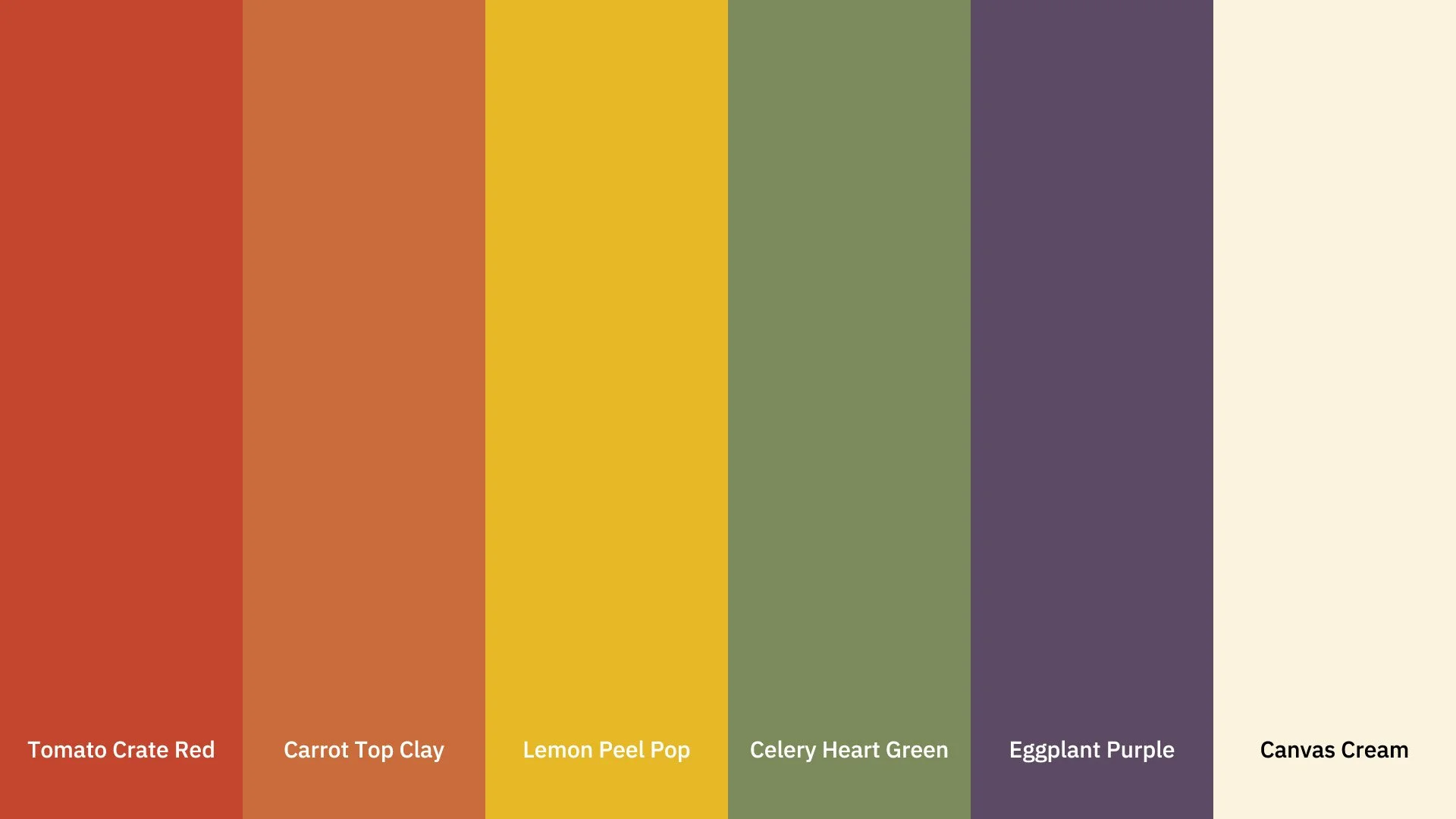
Color palette inspired by the idea of refilling as a sensory, satisfying weekly habit, turning a practical task into a moment of pause, care, and mindful routine.

Logo Development

THE GOOD GROCER: VISUAL IDENTITY

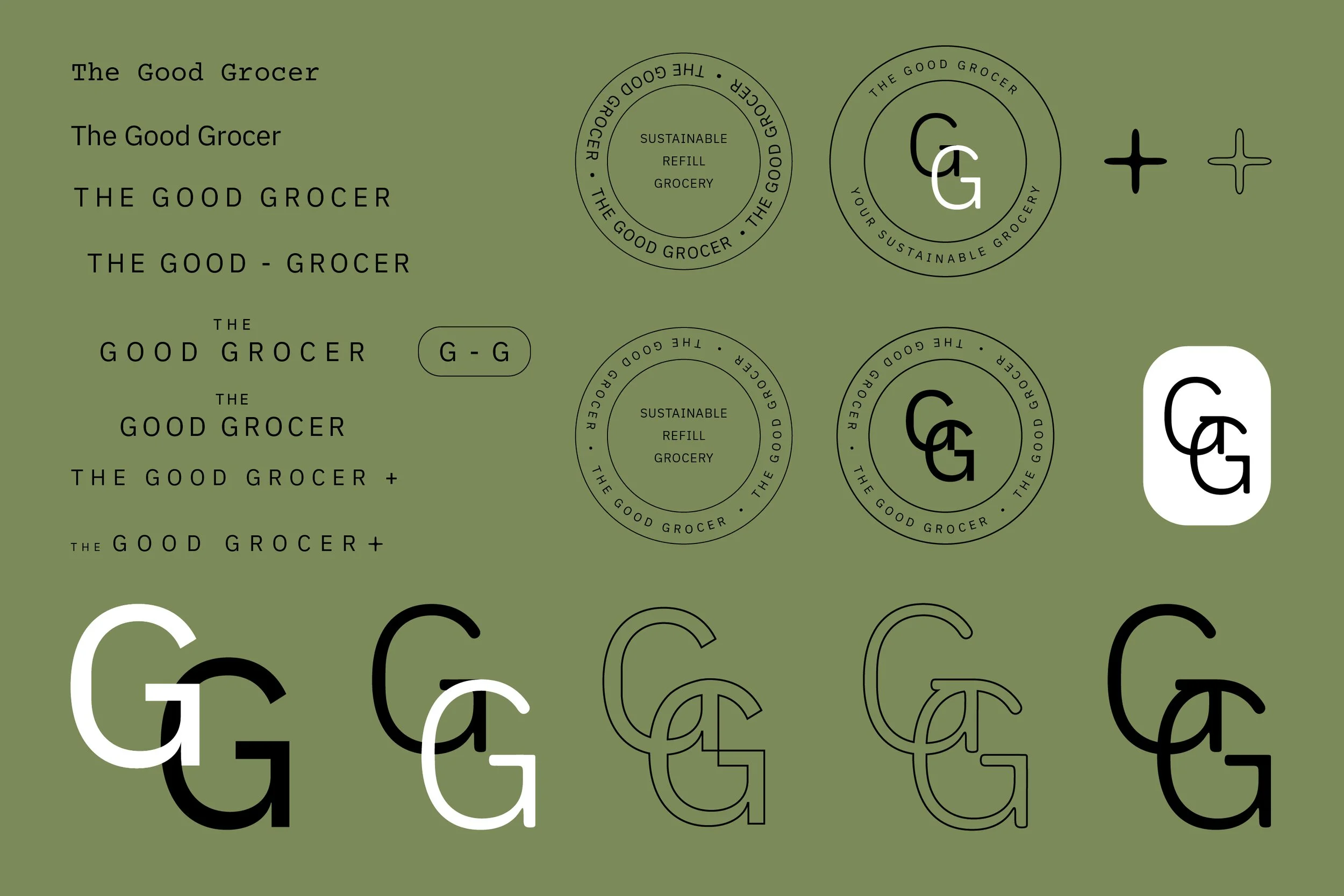
The Good Grocer logo system explores how simplicity can communicate care.
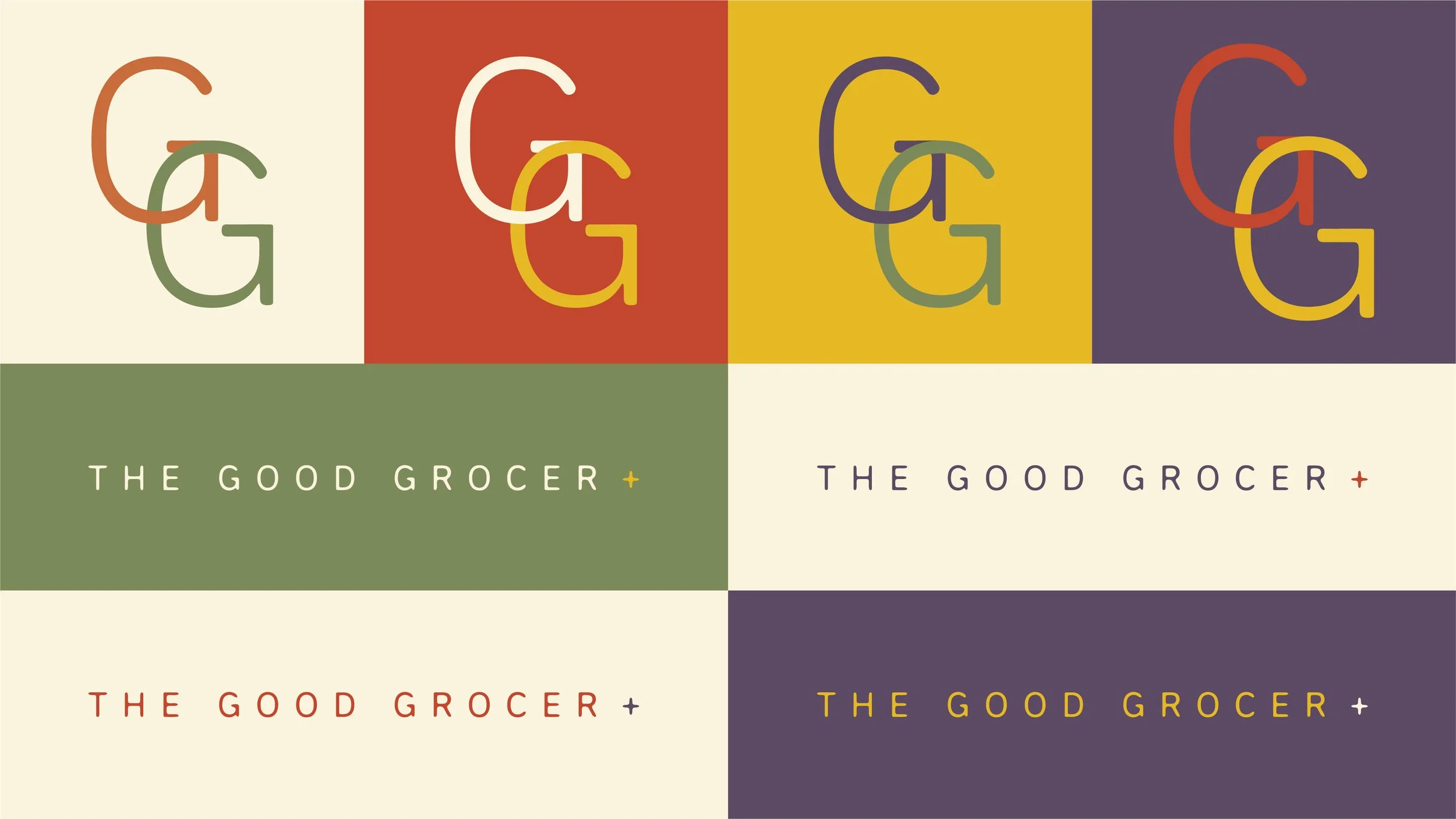
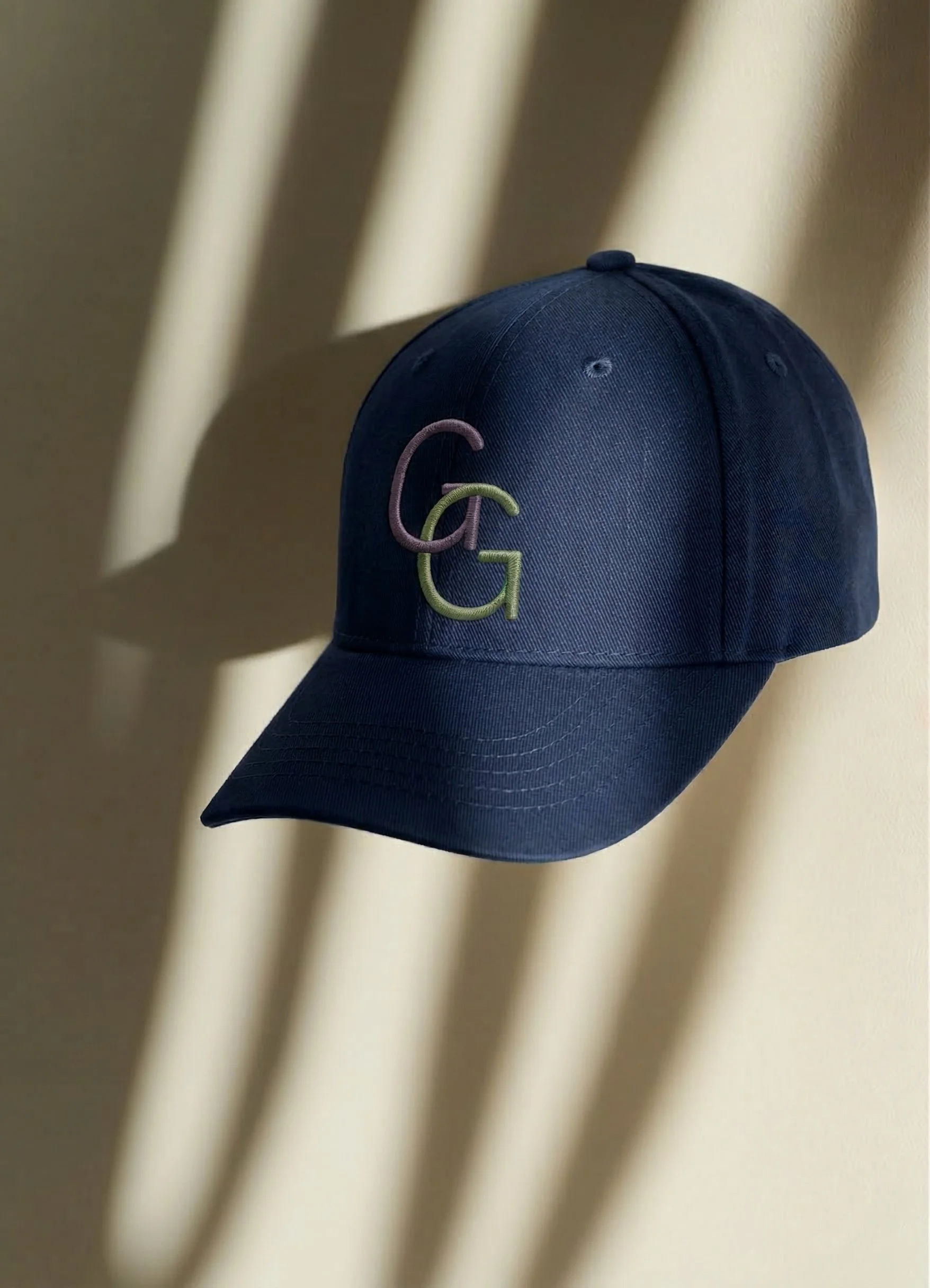
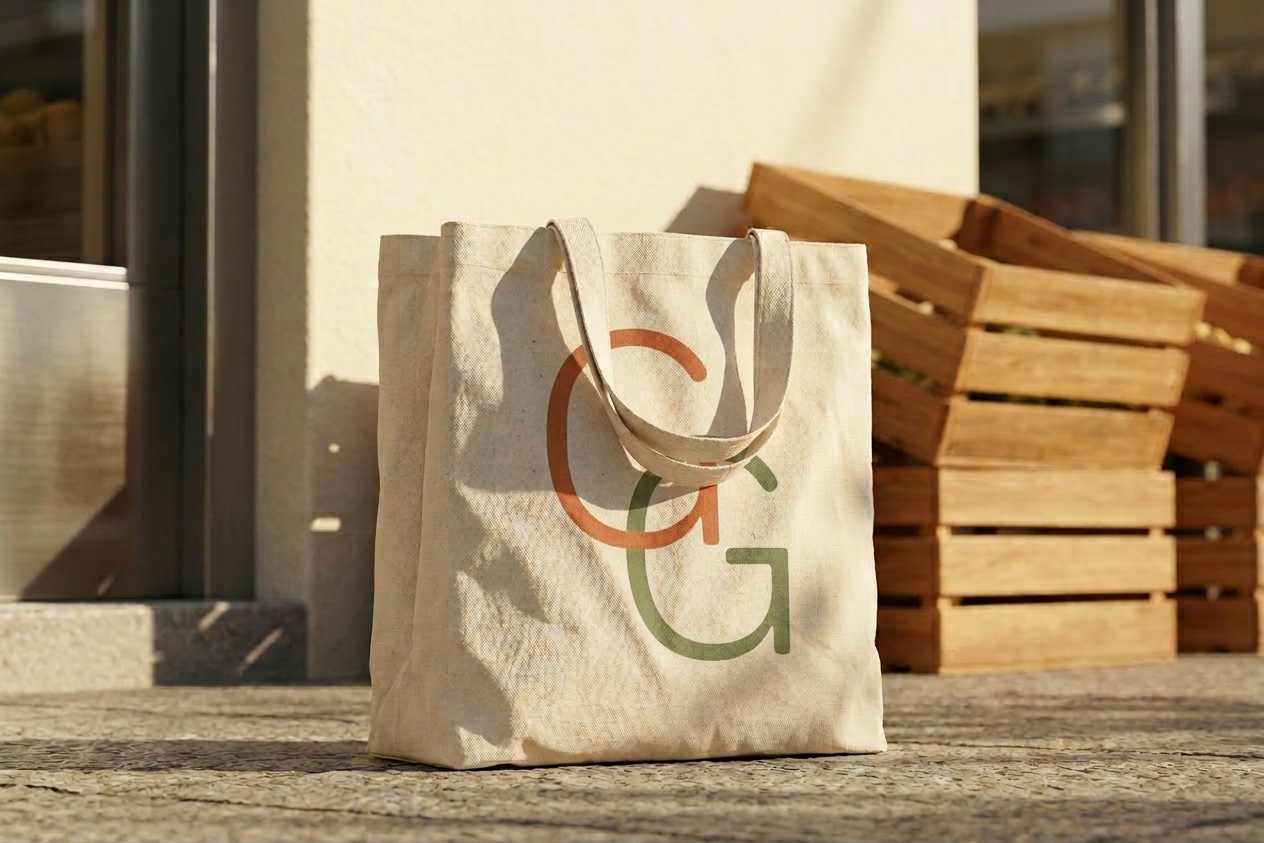
The interlocking “G” wordmark was developed as a symbol of connection and repetition, reflecting the brand’s belief that sustainability lives in everyday routines rather than grand gestures. The final identity embraces restraint, using open forms and minimal intervention to feel familiar, grounded, and quietly confident.

All visual design work was completed independently by me, with iterative art-direction feedback and strategic critique provided through collaboration with ChatGPT.

INITIAL EXPLORATION

FINALIZED LOGO VARIATIONS

ANIMATED WORDMARK

I animated my original wordmark using MidJourney, translating the tactile motion of twisting open a jar into a subtle brand moment. The motion exploration was AI-assisted, while the core identity design and concept development were created independently.

Photography Style

THE GOOD GROCER: VISUAL IDENTITY

The photography for The Good Grocer explores sustainability as a lived ritual. Scenes are framed around familiar neighborhood behaviors like carrying produce, checking the window display, and returning from a weekly shop. The photography uses soft natural light, low-angle perspectives, and sensory detail to build emotional proximity.

Rather than presenting an aspirational lifestyle, the imagery prioritizes presence and participation, allowing viewers to recognize themselves within everyday routines.

All photography concepts and art direction were developed by me, with final images generated using AI tools including Midjourney and Weavy.

Typography

THE GOOD GROCER: VISUAL IDENTITY

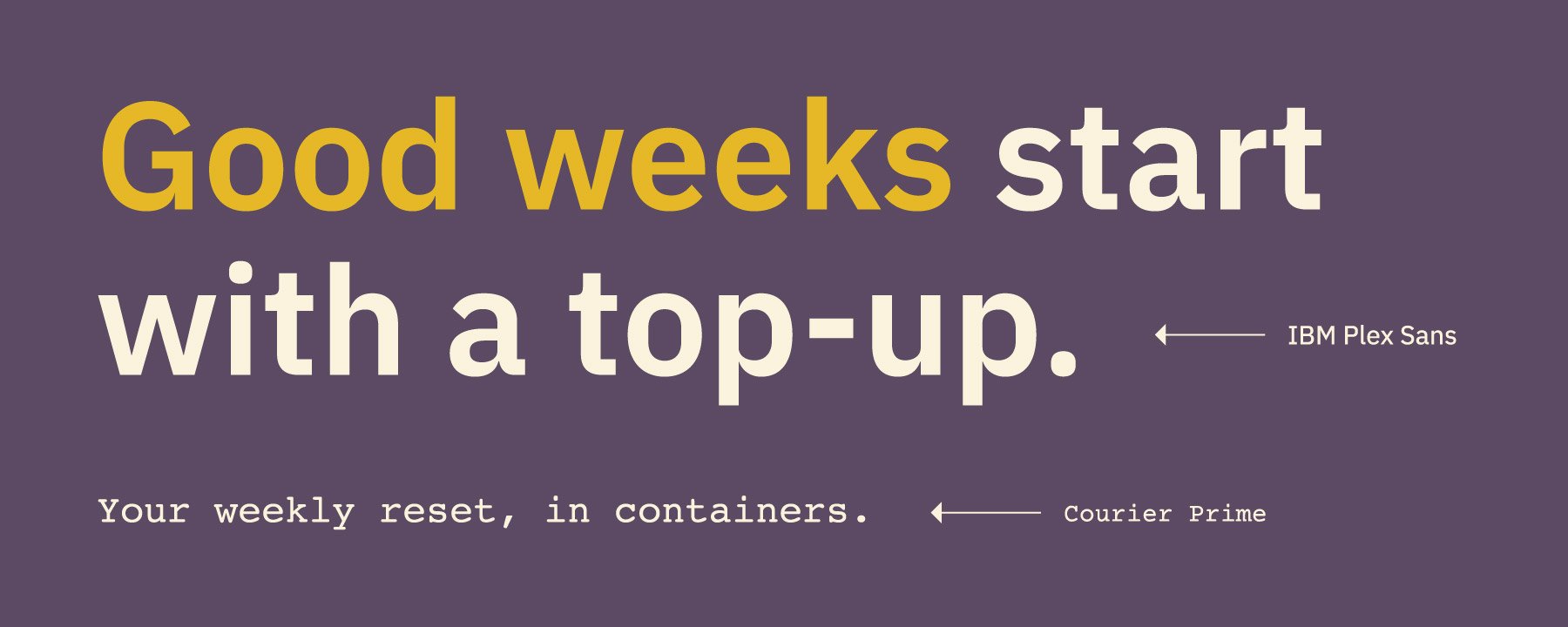
Typography pairs IBM Plex Sans with Courier Prime to balance clarity and rhythm. A practical, highly legible sans-serif handles structure and flow, while the monospaced companion introduces a subtle sense of repetition and system, echoing the cadence of refilling and everyday routines. The result is functional, calm, and quietly distinctive, avoiding the over-styled feel common in the category.

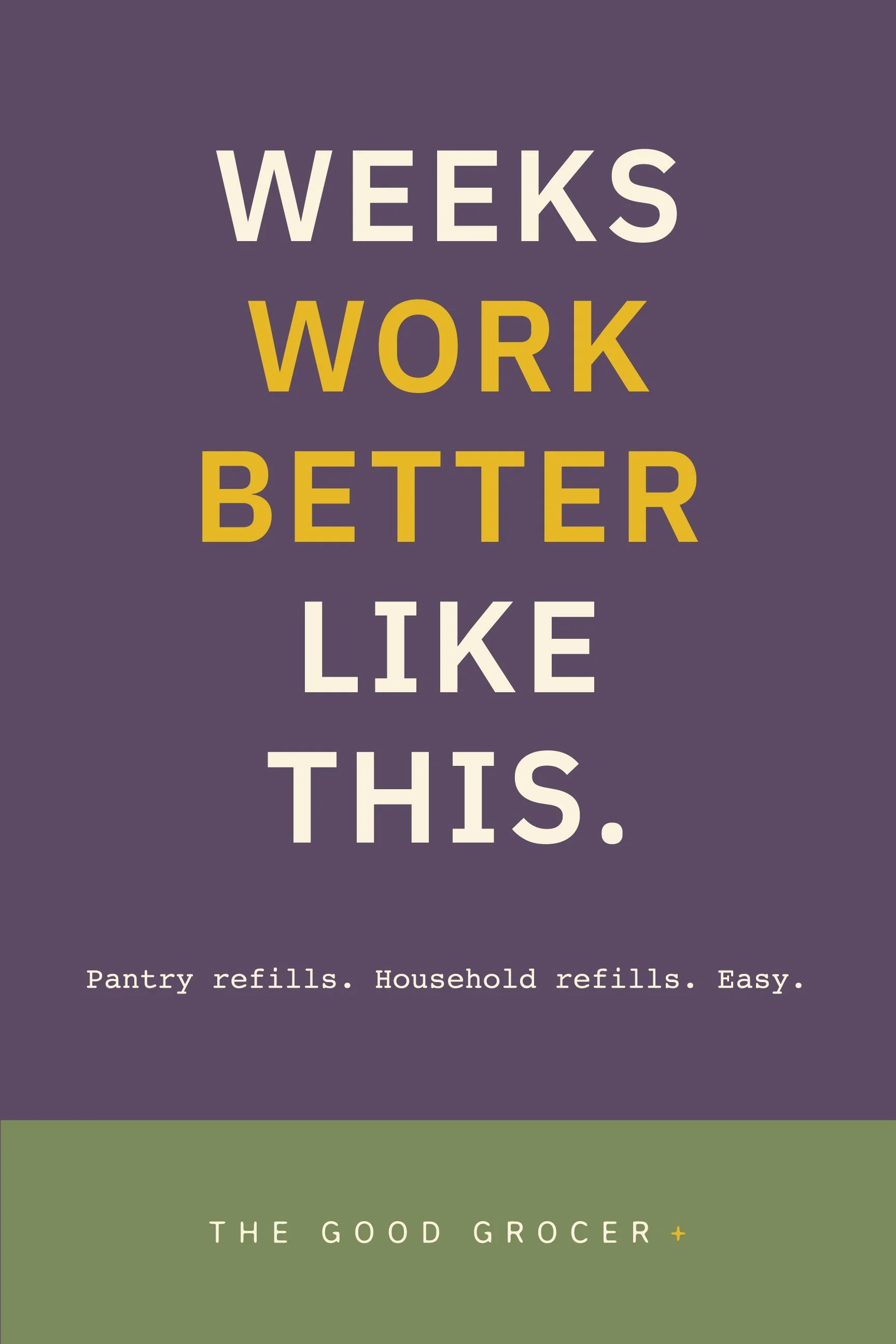
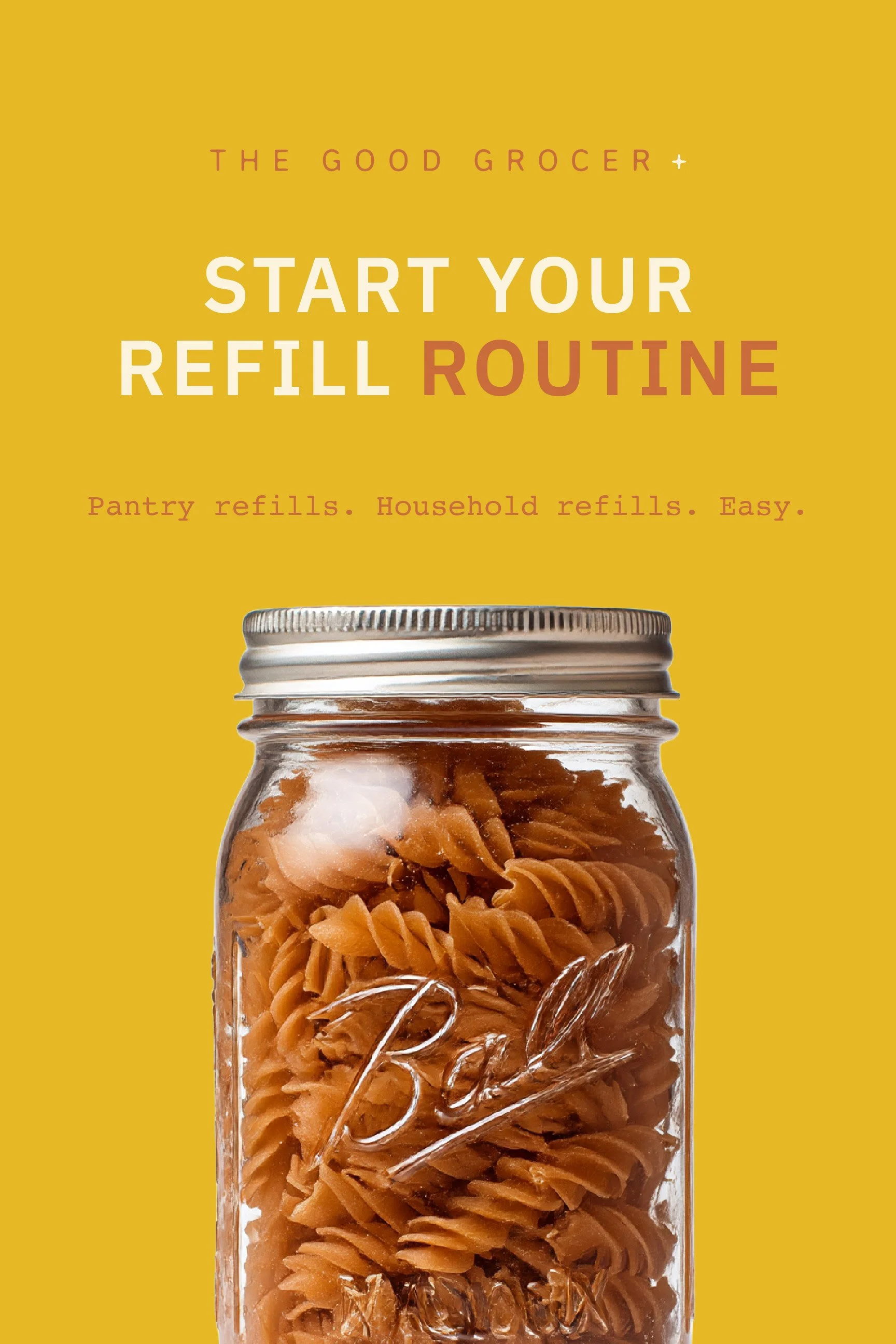
POSTERS

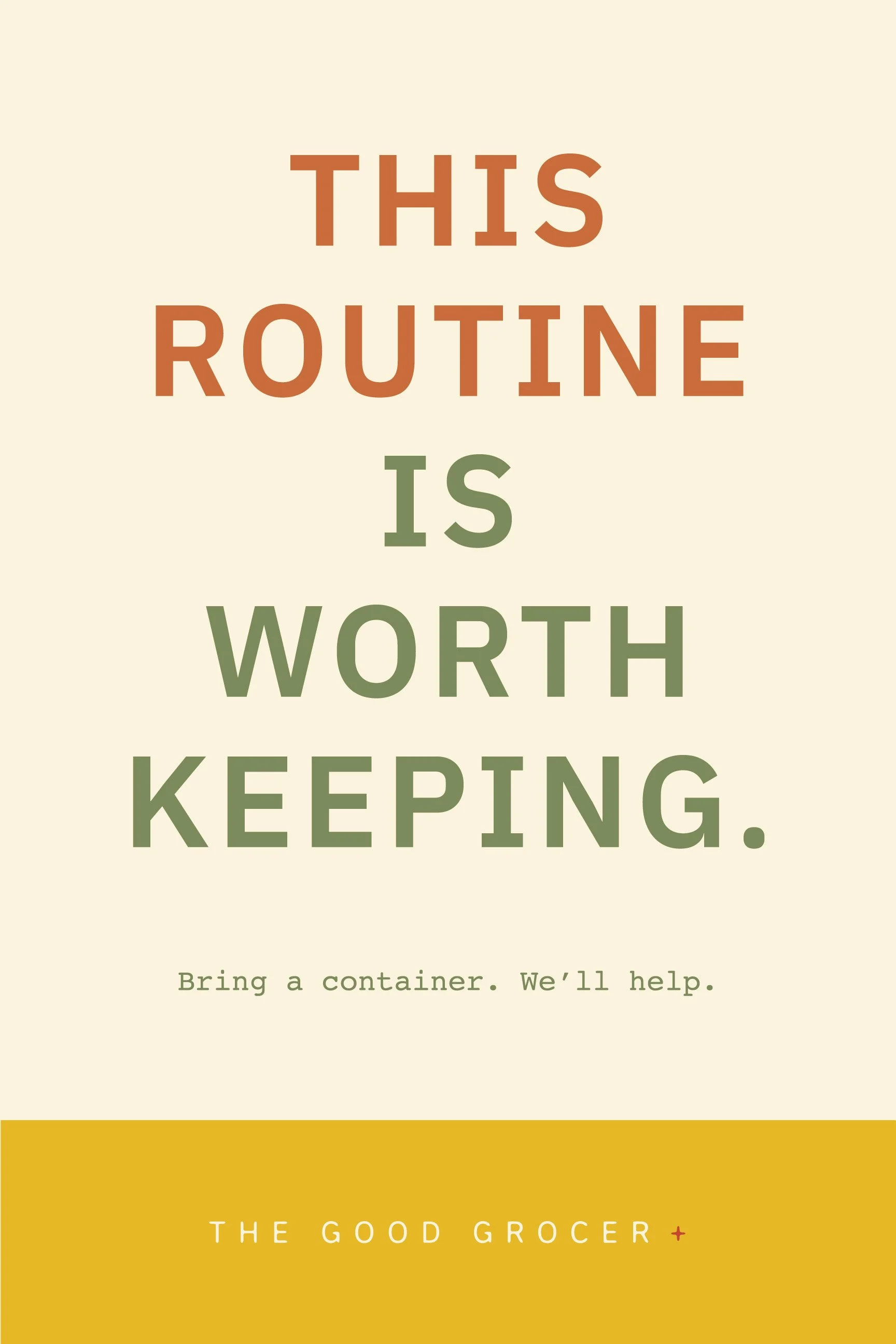
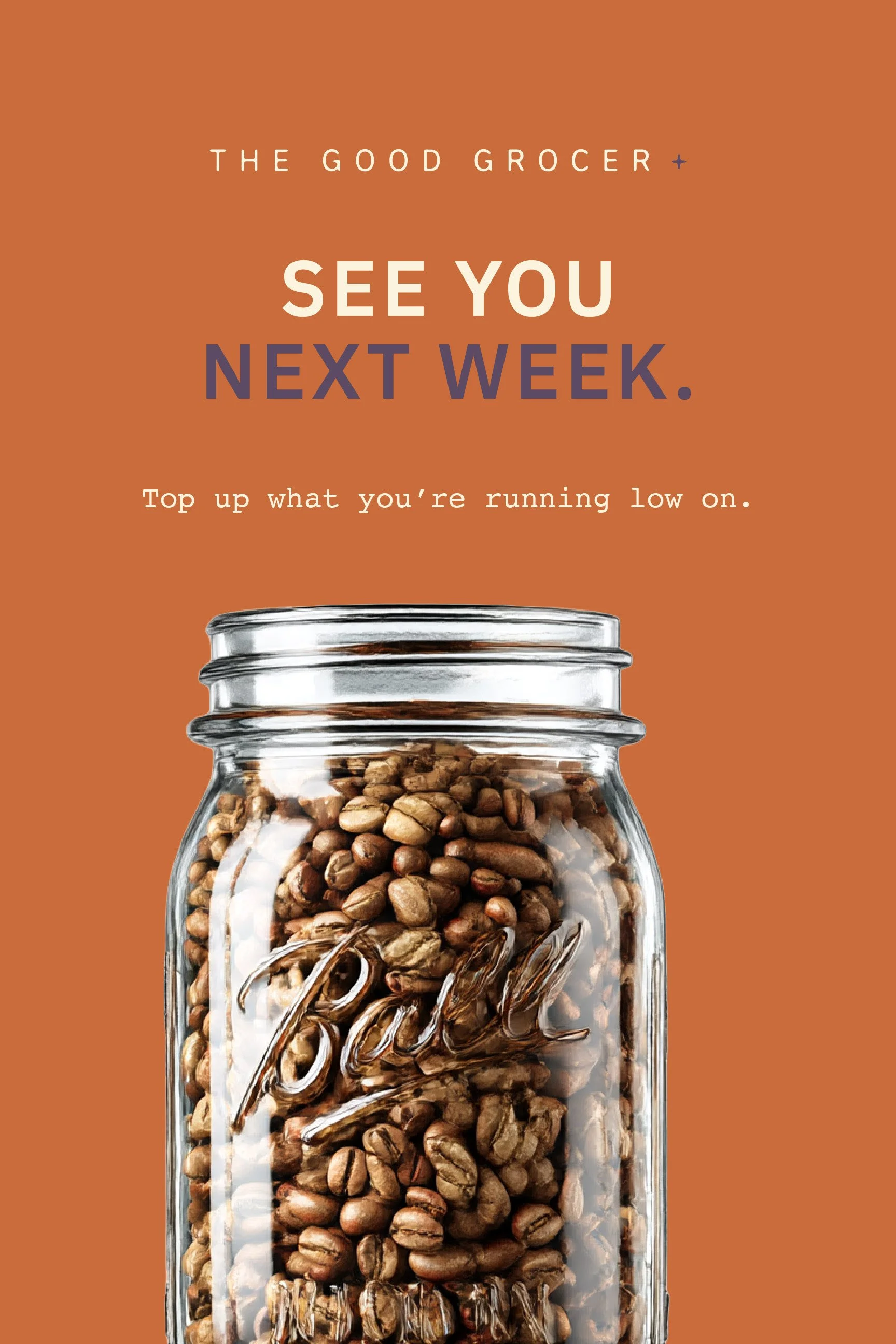
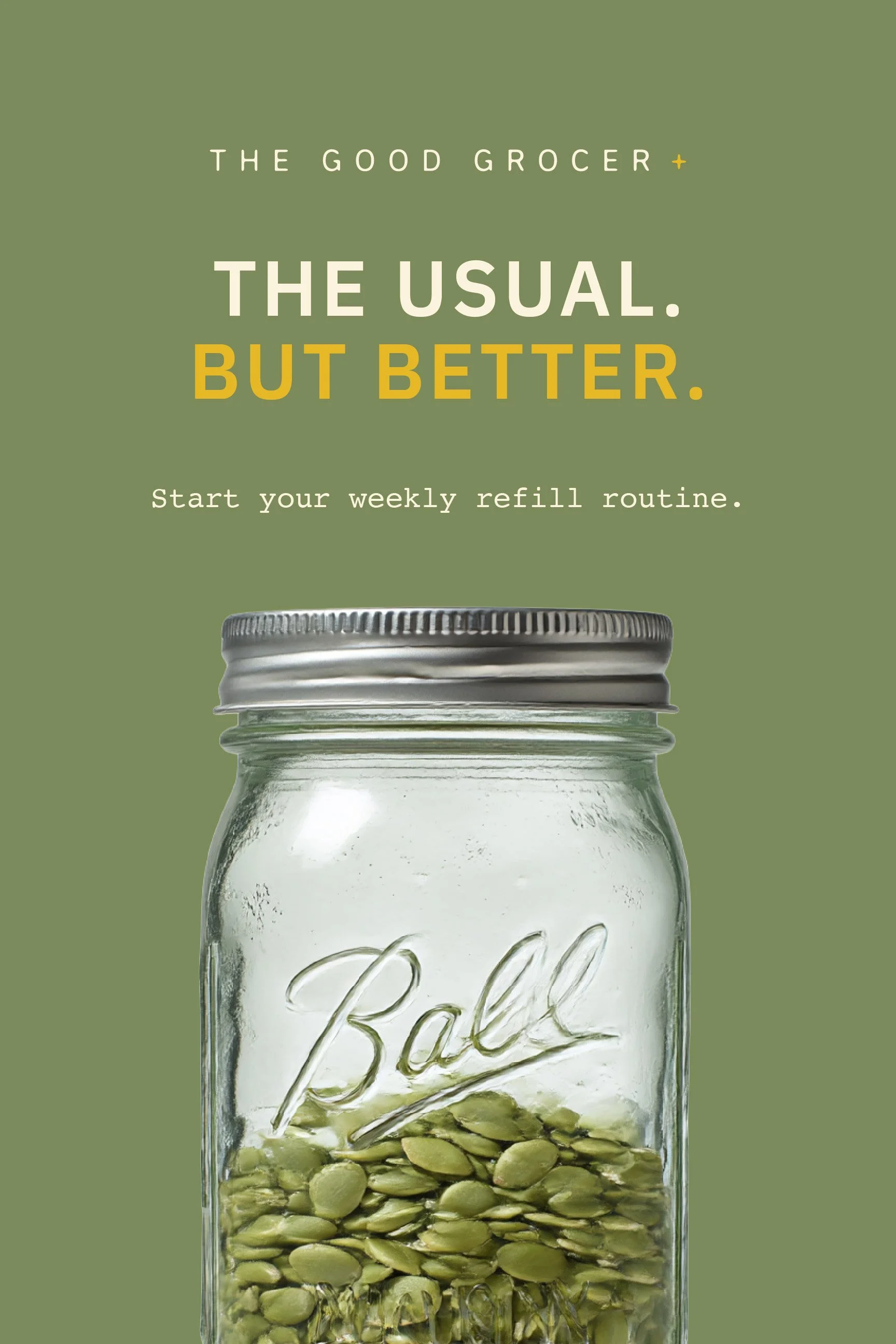
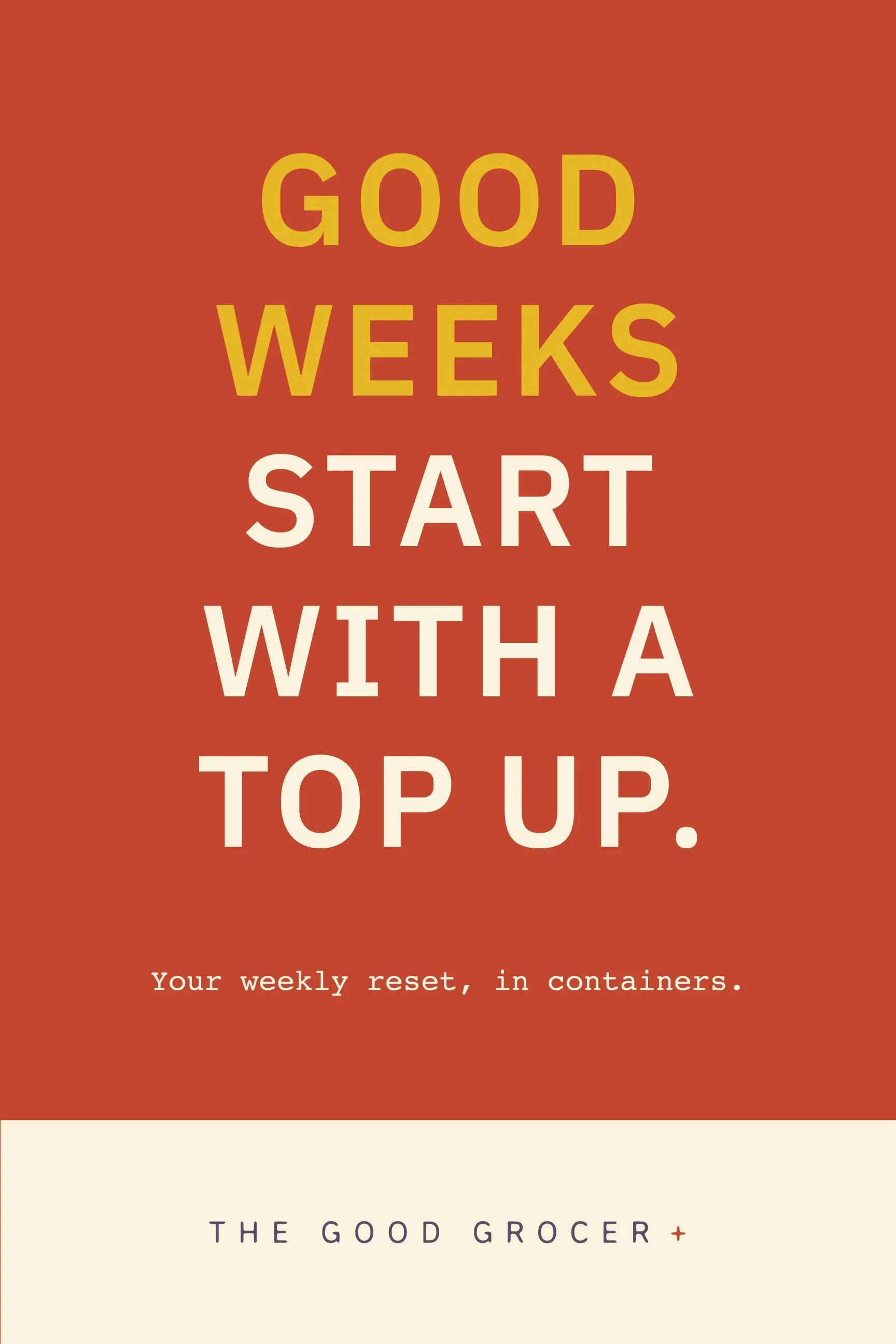
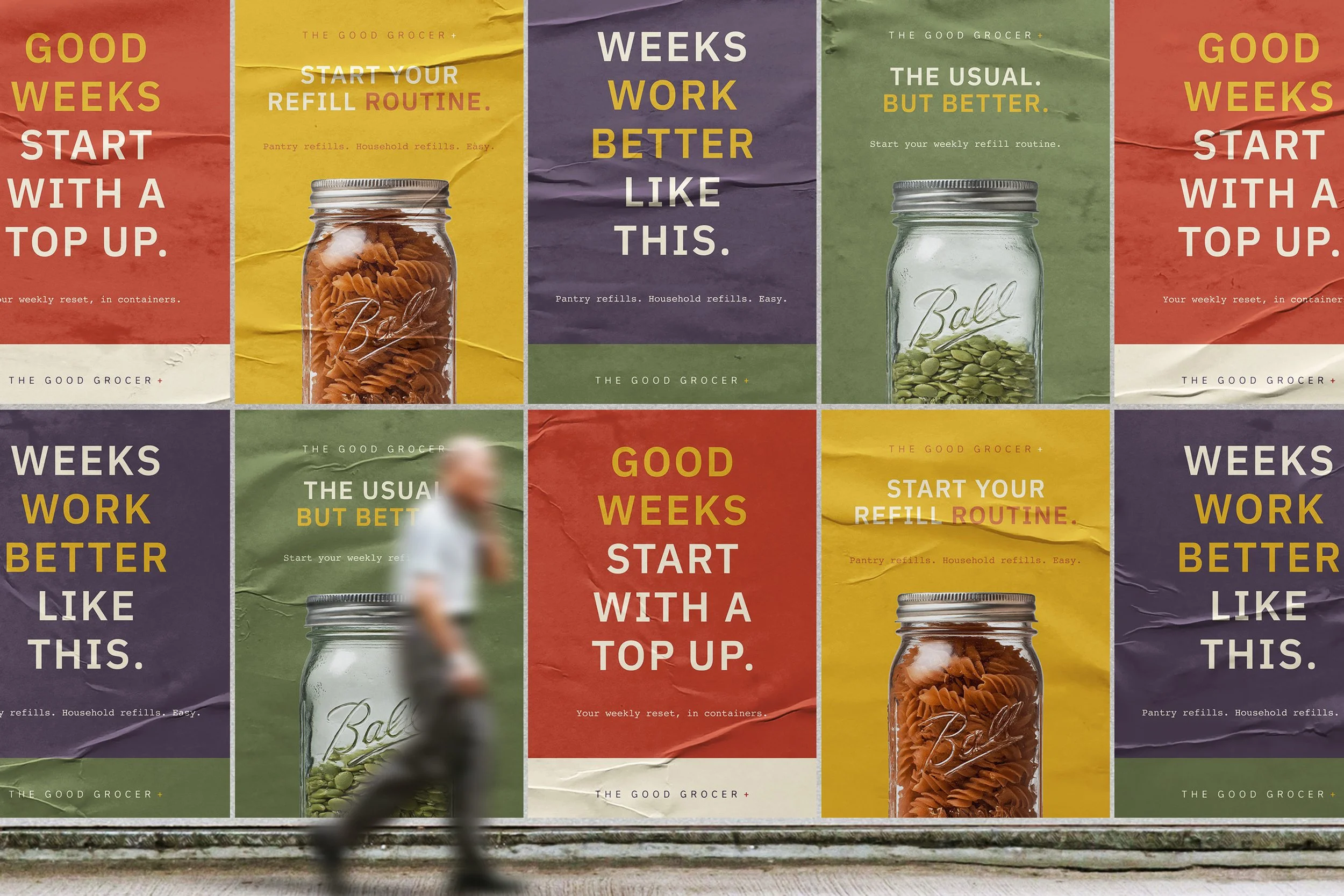
6-sheet poster campaign designed to build refill rituals. Concept and layouts are original; messaging was refined with ChatGPT and select imagery was generated in MidJourney.

TOTE BAG

HAT

BUS STOP

I created the bus stop mockup in Weavy to showcase my original campaign design, then used MidJourney to animate the surrounding environment and introduce a more dynamic sense of place. AI supported mockup realism and motion, while the campaign concept and visual design were developed independently.